

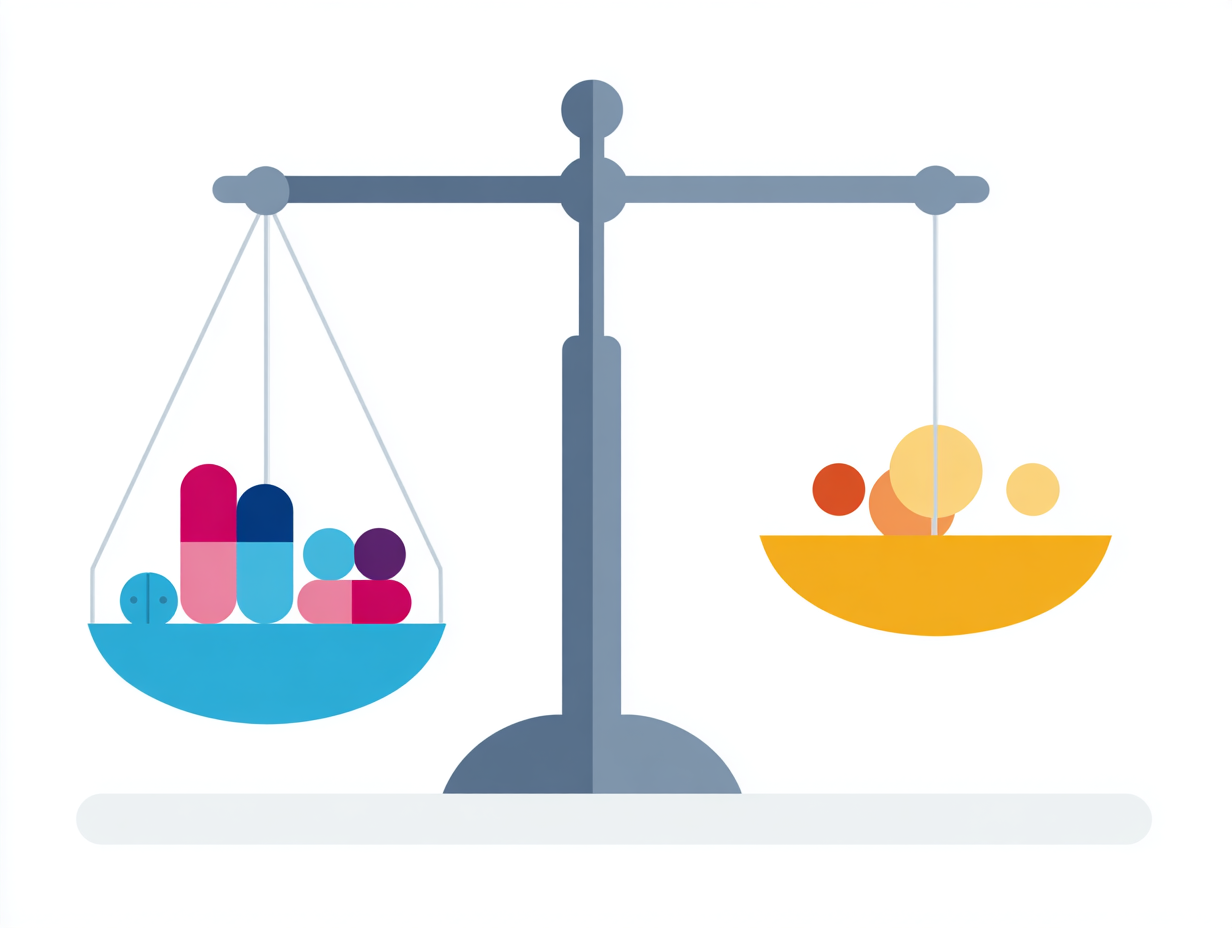
Starting a psychiatric medication can feel like a big step. Many people hope the first medication they try will provide relief right away. While that certainly happens for some people, it is also very common to need adjustments before finding the medication and dose that works best.
Needing to change medications does not mean treatment has failed. Finding the right medication is often a gradual process that takes careful monitoring, communication, and individualized care.
At InnerMind Psychiatry & Wellness, psychiatric medication management is tailored to each patient. Treatment decisions are based on your symptoms, diagnosis, medical history, previous medication experiences, and personal goals. Services are available for adolescents and adults on Long Island and throughout New York through secure telehealth.
Why Doesn’t the First Medication Always Work?
There is no single psychiatric medication that works for everyone. Even two people with the same diagnosis can respond very differently to the same medication.
Several factors influence how someone responds to treatment, including genetics, age, medical conditions, other medications, lifestyle factors, and the specific symptoms being treated.
The goal is not simply to prescribe medication—it’s to find the treatment that provides the greatest benefit with the fewest side effects.
1. Every Person Responds Differently
Psychiatric medications affect neurotransmitter systems such as serotonin, dopamine, and norepinephrine, but each person’s response is unique.
Factors that can influence medication response include:
- Genetics
- Age
- Liver metabolism
- Medical conditions
- Other medications
- Substance use
- Sleep quality
- Hormonal changes
- The severity and type of psychiatric symptoms
Because of these differences, a medication that works well for one person may not be the best choice for another.
2. The Diagnosis May Need Further Clarification
Sometimes a medication appears ineffective because the underlying diagnosis is more complex than it initially seemed.
For example, symptoms of anxiety, ADHD, depression, bipolar disorder, trauma, OCD, or medical conditions can overlap. As treatment progresses and symptoms become clearer, your provider may refine the diagnosis and adjust treatment accordingly.
This is one reason why follow-up appointments are an important part of psychiatric care.
3. The Medication May Need More Time
One of the most common reasons patients think a medication is not working is that they expect improvement immediately.
While some medications begin affecting brain chemistry shortly after they are taken, symptom improvement often develops more gradually.
Many antidepressants require four to eight weeks before their full benefit can be evaluated, although some people notice improvement sooner.
Stopping a medication too early may prevent enough time to determine whether it is actually helping.
4. The Dose May Need Adjustment
Sometimes the medication itself is appropriate, but the dose needs to be adjusted.
Many psychiatric medications are started at a lower dose to improve tolerability and minimize side effects. Your provider may gradually increase the dose based on your response while monitoring both symptom improvement and side effects.
Finding the right dose is just as important as choosing the right medication.
5. Side Effects May Outweigh the Benefits
Even if a medication improves symptoms, it may not be the best long-term choice if side effects significantly affect your quality of life.
Depending on the medication, side effects may include:
- Nausea
- Fatigue
- Sleep changes
- Weight changes
- Sexual side effects
- Dry mouth
- Dizziness
If side effects become problematic, your provider may recommend adjusting the dose, allowing more time for your body to adapt, or trying a different medication.
6. Sometimes Combination Treatment Works Better
For some people, medication alone is not enough.
Treatment may also include psychotherapy, healthy sleep habits, regular exercise, stress management, treatment of underlying medical conditions, or carefully selected combinations of psychiatric medications.
Mental health treatment is often most effective when multiple aspects of a person’s health are considered together.
What You Can Do During the Process
Finding the right medication works best when patients and providers work together.
Helpful strategies include:
- Take medications exactly as prescribed.
- Attend follow-up appointments.
- Keep track of improvements and side effects.
- Tell your provider if symptoms worsen.
- Avoid stopping medication without medical guidance.
Small adjustments can sometimes make a significant difference.
Frequently Asked Questions
How long should I give a psychiatric medication before deciding it isn’t working?
It depends on the medication and your diagnosis. Many antidepressants require at least four to eight weeks at an appropriate dose before their full benefit can be evaluated.
Is it normal to try more than one psychiatric medication?
Yes. Many people require medication adjustments before finding the treatment that works best for them. This is a common part of psychiatric care and does not mean treatment has failed.
Does switching medications mean my diagnosis was wrong?
Not necessarily. Sometimes a medication is ineffective because of side effects, inadequate response, or dosing considerations. In other cases, additional information gathered over time helps refine the diagnosis and treatment plan.
Can genetic testing help choose medications?
Pharmacogenomic testing, such as GeneSight, may provide additional information for some patients, but it is only one part of the decision-making process and should always be interpreted alongside clinical judgment.
Should I stop taking my medication if I don’t feel better after a week?
No. Many psychiatric medications require several weeks before meaningful improvement occurs. Always speak with your prescribing provider before making any medication changes.
The Bottom Line
Needing to adjust psychiatric medication is common and should be viewed as part of the treatment process rather than a setback. The goal is to find the medication—or combination of treatments—that provides meaningful symptom improvement while minimizing side effects.
At InnerMind Psychiatry & Wellness, medication management is individualized and collaborative. Together, we’ll monitor your progress, make thoughtful adjustments when needed, and develop a treatment plan that fits your unique needs. Psychiatric evaluations and medication management are available for adolescents and adults on Long Island and throughout New York via secure telehealth.